When someone is looking to rent a car, they often make their decision much faster and in a different way than car rental business owners might expect.
A potential customer opens several websites, compares the available options, and within minutes decides which company they are willing to trust with their personal information and money.
Price and vehicle selection are not the only deciding factors. Customers often choose the company whose website is easier to use and provides clearer information about pricing and the vehicle pickup process.
Through our experience developing websites for car rental companies, we have seen what customers genuinely expect from these platforms. We have also identified the features that can make the difference between a completed booking and a visitor leaving the website without taking action.
Below, we highlight 10 features that every modern rent-a-car website should include. Not because they look impressive on a website development brief, but because they have a direct impact on the customer experience and the number of completed bookings.
1. Clear and Intuitive Search
For car rental websites, a strong first impression does not come from a high-quality vehicle photo or a polished logo. It comes from a clear and easy-to-use search form. If visitors cannot immediately see where to enter their pickup location or rental dates, there is a good chance they will leave and move on to another car rental website.
The vehicle search should be the first thing visitors see, without having to scroll or go through unnecessary steps. The only information they should need to enter is the pickup location and the pickup and return dates. The system should then display only the vehicles available during that period, along with their prices and specifications.
When we develop car rental websites, this task is one of the Ginger IT team’s main priorities. The goal is not to make visitors browse the agency’s entire fleet. It is to help them find an available vehicle they can book immediately, within a few seconds and just a few clicks.
This also builds trust in your website and business processes, helping make the journey from search to completed booking as short and straightforward as possible.
2. Filters That Make Choosing a Vehicle, and Car Rental Company Faster
Showing only the vehicles available for a selected location and rental period is not enough. Customers often already know exactly what they need, whether that is a family SUV, a vehicle with an automatic transmission, a 4×4, or something else.
Scrolling through dozens of vehicle models can quickly become tiring and frustrating, making it more likely that the customer will eventually leave and choose a competitor instead.
Well-designed filters help users find the right vehicle in just a few clicks.
Alongside basic options such as vehicle category and price, it is useful to offer filters for transmission type, fuel type, drivetrain, number of seats, manufacturer, and even additional equipment when available.
In our experience, details like these are what separate an incomplete from a fully developed digital experience. Customers are far less likely to abandon their search when they can quickly narrow the results down to a few vehicles that match their needs, rather than having to browse the entire offer.
3. Vehicle Pages on Rent a Car Websites
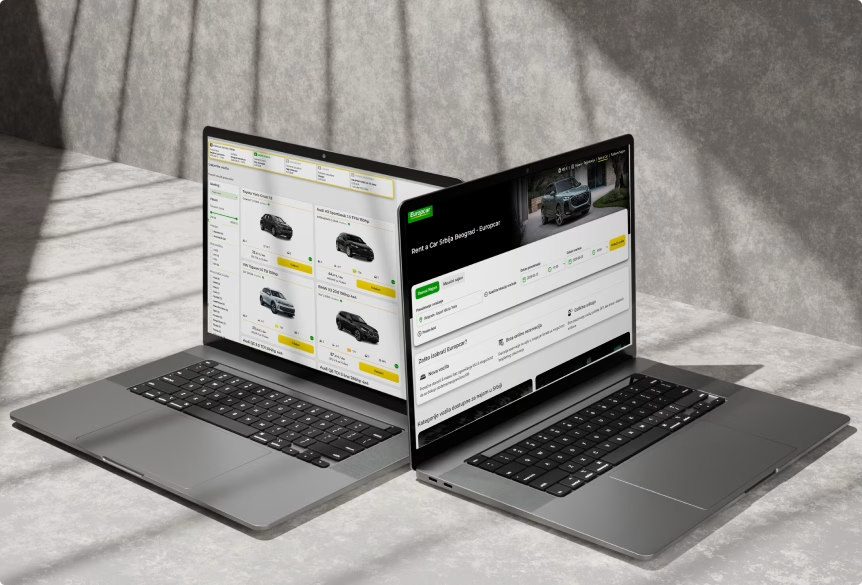
When a customer opens the page of a vehicle they are interested in, they should not need to call the rental company to find basic information or clear up questions that could delay their decision. A good vehicle landing page should do more than display photos. It should provide clear, useful content that gives customers every reason to stay on the website by presenting all the relevant information in one place.
Alongside high-quality, up-to-date photos and supporting visuals, customers expect clearly presented details about the transmission type, number of seats, luggage capacity, average fuel consumption, fuel type, and any other features that may influence their choice. Any additional services or optional equipment available for the vehicle should also be displayed clearly and transparently.
4. A Short and Straightforward Booking Process
Once a customer finds the right vehicle, the booking process should guide them smoothly through to confirmation. Nothing should slow them down at this stage, as every extra step, unnecessary form field, or unclear explanation increases the chance that they will leave your car rental website and move on to a competitor’s.
A well-designed booking process takes the customer through a few simple steps. First, they select the vehicle and rental period, then they enter their basic details and, finally, review a clear summary of the booking before confirming it. There should be no surprises, hidden costs, or need to contact the rental company to complete the process.
An intuitive booking process gives customers a sense of security and control. When each step is clear, they can complete their reservation quickly, without confusion or uncertainty about what comes next.
5. Dynamic Price Calculation
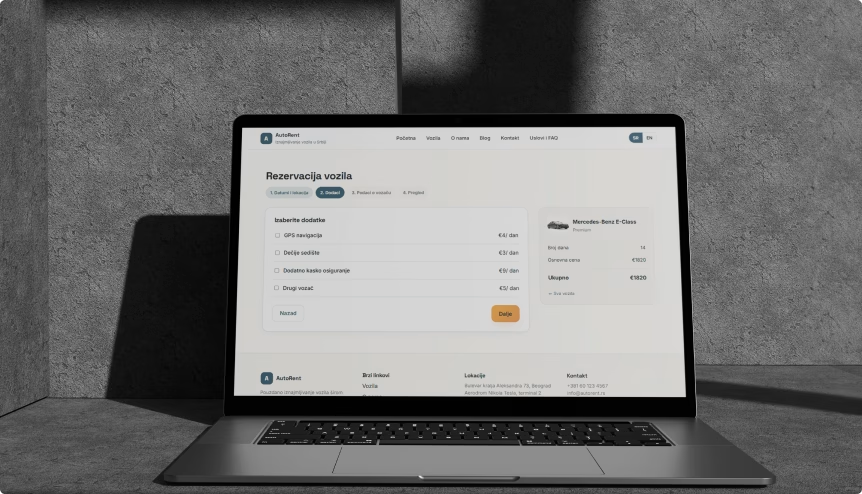
Few things can put customers off faster than discovering that the final price is different from the one shown at the beginning of their search. When additional charges appear only near the end of the booking process, trust can disappear instantly.
If a customer extends the return date by one day, adds full insurance coverage, or selects airport pickup or drop-off, the total price should update immediately. They should not need to refresh the page or wait for the rental company to send a revised quote.
A modern car rental website should therefore include a dynamic pricing calculator that combines the rental period, vehicle category, season, location, and any additional services into one clear calculation, with the total price visible at all times. This allows customers to understand exactly how the price is calculated and which options have increased or reduced the total.
When developing car rental websites, we make sure the pricing is accurate and visible to the rental company in the background. It should also be clear and easy for customers to understand from the very beginning. This functionality has proven highly valuable for many car rental businesses.
6. A Multilingual Car Rental Website
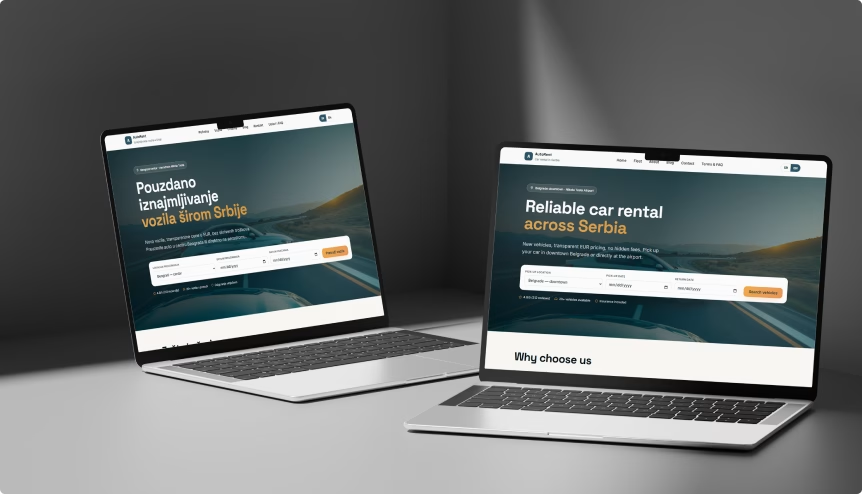
People looking to rent a car are often new to the country, planning a trip, or trying to book a vehicle before they arrive at the airport. In these situations, the language used on the website directly affects whether customers can understand the rental terms and feel informed and confident enough to complete their booking.
A multilingual website involves much more than translating the menu, headings, and call-to-action buttons. The entire website should be properly translated, including vehicle descriptions, additional services, cancellation policies, deposit information, insurance terms, and every message shown during and after the booking process.
System messages are especially important because they guide customers through the most sensitive parts of the process, such as payment and final booking confirmation.
On a project developed by Ginger IT Solutions, we made sure that switching languages did not interrupt the customer journey. If a customer changes the language while viewing a vehicle or completing a booking, they should remain on the same page, with their selected dates and options saved.
7. Mobile-First Design as a Priority for Car Rental Websites
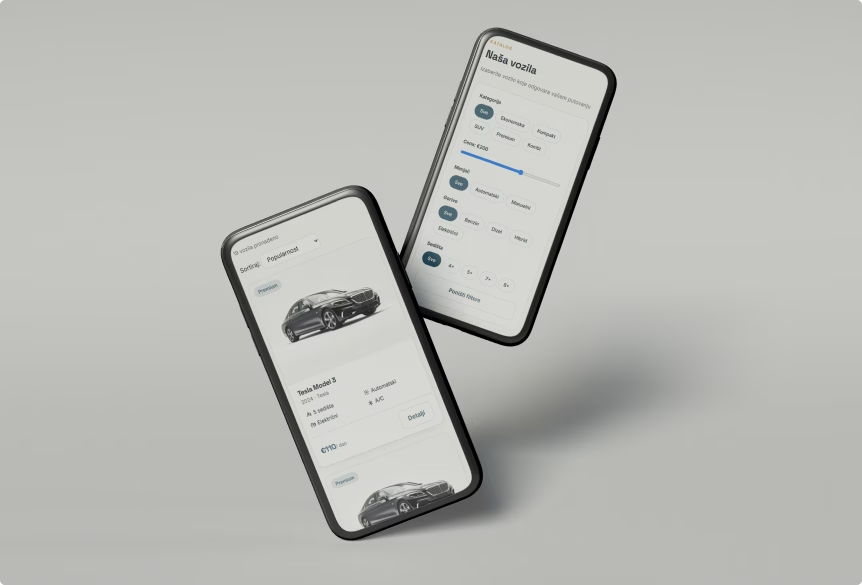
A car rental website should do more than simply look good on a mobile device. More importantly, it should allow customers to complete the entire process, from selecting rental dates to confirming a booking, without zooming in, tapping the wrong buttons, or endlessly scrolling.
This means planning the mobile experience from the very beginning, rather than designing for desktop first and then trying to fit everything onto a smaller screen. The search form should be short and easy to complete, filters should be simple to open and select, and the most important vehicle information should be visible without additional searching.
Special attention should be given to every stage of the booking process. Choosing dates, entering personal details, adding optional equipment, and reviewing the price should all work just as smooth with one hand on a mobile phone as they do on a large screen. For customers, convenience and easy access to the service are often key factors when choosing a car rental web development company.
Conclusion
Most customers will not spend time trying to navigate a complicated car rental website. If they cannot quickly find a vehicle, check the price, and complete their booking, they will most likely continue their search with a competitor.
That is why clear search, smart filters, dynamic pricing, and a simple booking process are not just useful extras. They are now expected standards, as these features directly affect the customer experience, trust, and the number of successfully completed bookings.
When strategizing a new car rental website or planning to redesign an existing one , every feature should be evaluated by asking one important question: Does it make the customer’s journey to booking easier?
See how the Ginger IT Solutions team approaches website development and discover how we can create a solution that helps your car rental company attract more customers and turn website visits into bookings.